


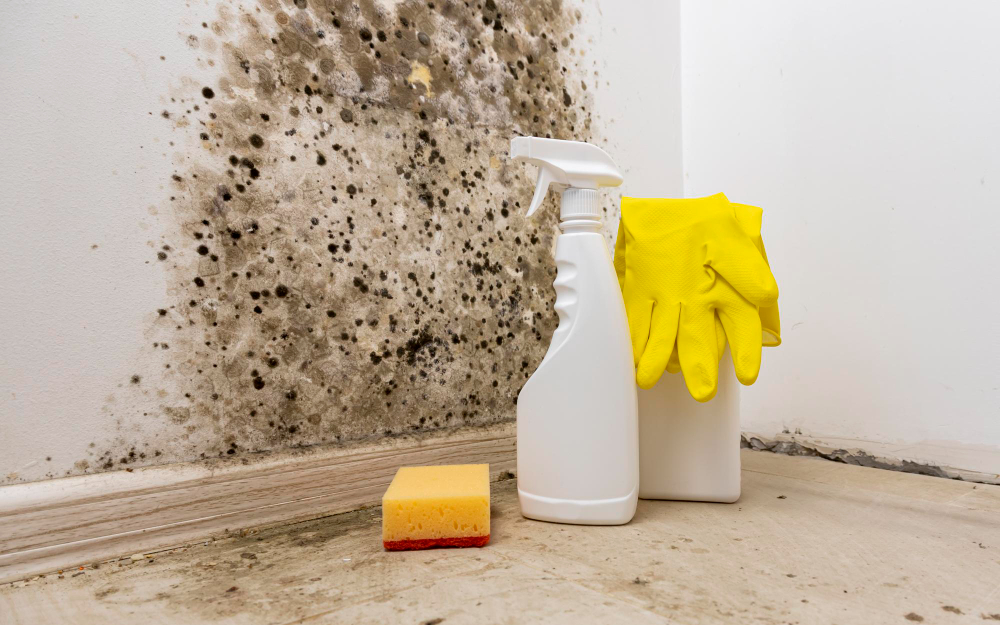
If you’re searching for how to get rid of damp because there’s a constant smell of dampness in the house, the issue is usually caused by trapped moisture and is rarely solved by surface cleaning alone.
In many homes, damp smells are masked with sprays, candles, or quick wipe-downs. While these may reduce odours temporarily, moisture often remains inside walls, flooring, soft furnishings, and plaster. When that moisture isn’t removed properly, damp smells and mould keep returning.
Effective damp treatment always involves thorough cleaning, proper drying, and moisture control.
What Causes Damp in Homes?
Identifying the cause of damp helps ensure cleaning and treatment are effective the first time.
1. Condensation Damp (Most Common)
Condensation damp forms when warm, moist air meets cold surfaces. It’s commonly found in:
- Bathrooms
- Kitchens
- Bedrooms with limited airflow
Signs include window condensation, black mould spots, and lingering musty odours.
2. Rising Damp
Rising damp occurs when moisture travels upward from the ground through walls due to a damaged or missing damp-proof course. Common signs include:
- Damp patches near floor level
- Flaking paint or wallpaper
- Powdery white residue on walls
3. Penetrating Damp
Penetrating damp happens when water enters through:
- Cracked brickwork
- Faulty roofs
- Leaking pipes or gutters
Each type of damp requires a tailored cleaning and treatment approach.
How to Get Rid of Damp Smell in the House
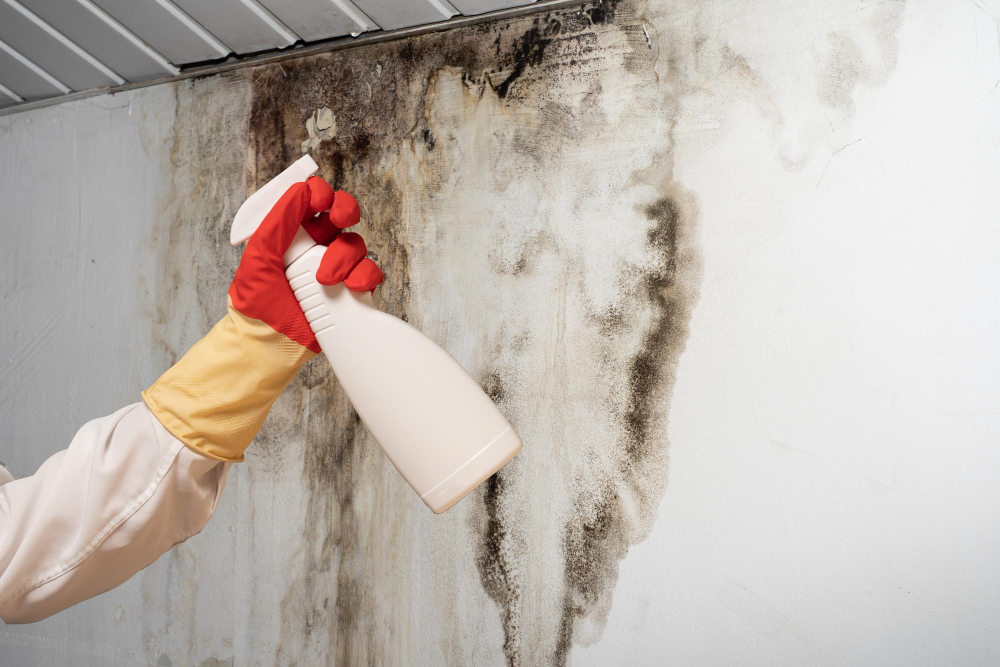
People searching for how to get rid of damp smell are usually dealing with moisture that hasn’t been fully removed.
Step 1: Improve Ventilation
- Open windows daily, even in colder months
- Use extractor fans during cooking and showers
- Keep furniture slightly away from walls
Ventilation allows moisture to escape instead of settling into surfaces.
Step 2: Remove Excess Moisture
- Use dehumidifiers in damp-prone rooms
- Fully dry carpets, rugs, and upholstery
- Avoid drying clothes indoors without airflow
If moisture remains, damp smells will return.
Step 3: Clean and Dry Affected Areas Thoroughly
Air fresheners may reduce odours briefly, but professional cleaning focuses on removing moisture and contamination at the source.
How to Get Rid of Dampness on Walls
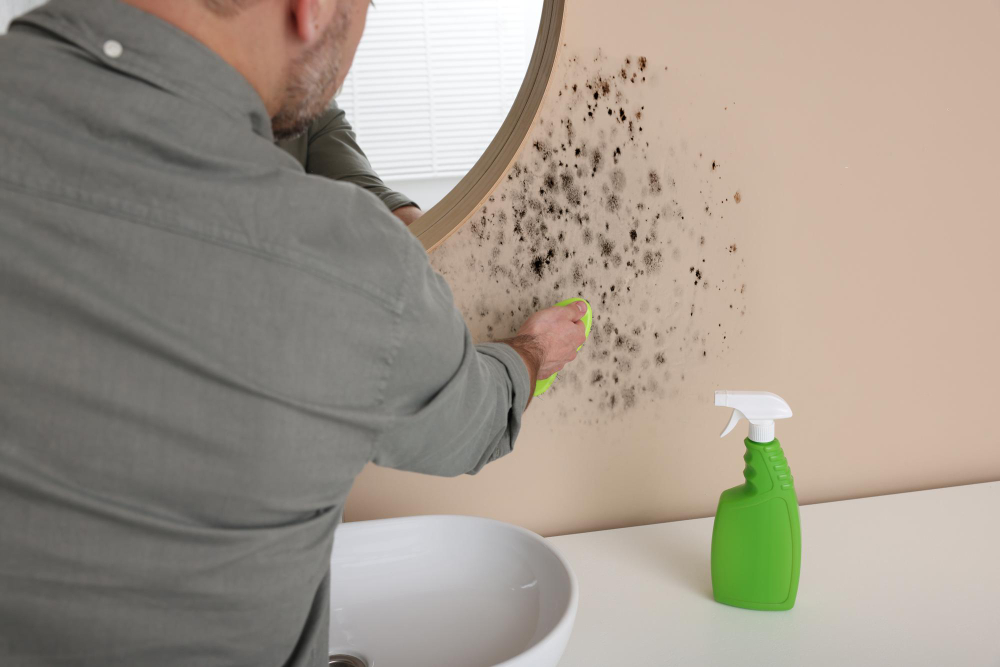
Knowing how to get rid of dampness on walls starts with proper drying before any cosmetic work is done.
Cleaning Damp Walls Safely
- Use mould-safe or anti-fungal cleaning solutions
- Remove peeling wallpaper to allow walls to breathe
- Never paint over damp patches
Painting too early traps moisture and worsens the problem.
Address the Moisture Source
- Check for leaking pipes or radiators
- Inspect gutters, roofs, and external walls
- Maintain balanced indoor humidity
If wall dampness keeps returning, professional cleaning and assessment are often needed.
How to Get Rid of Mould Smell and Mouldy Odours
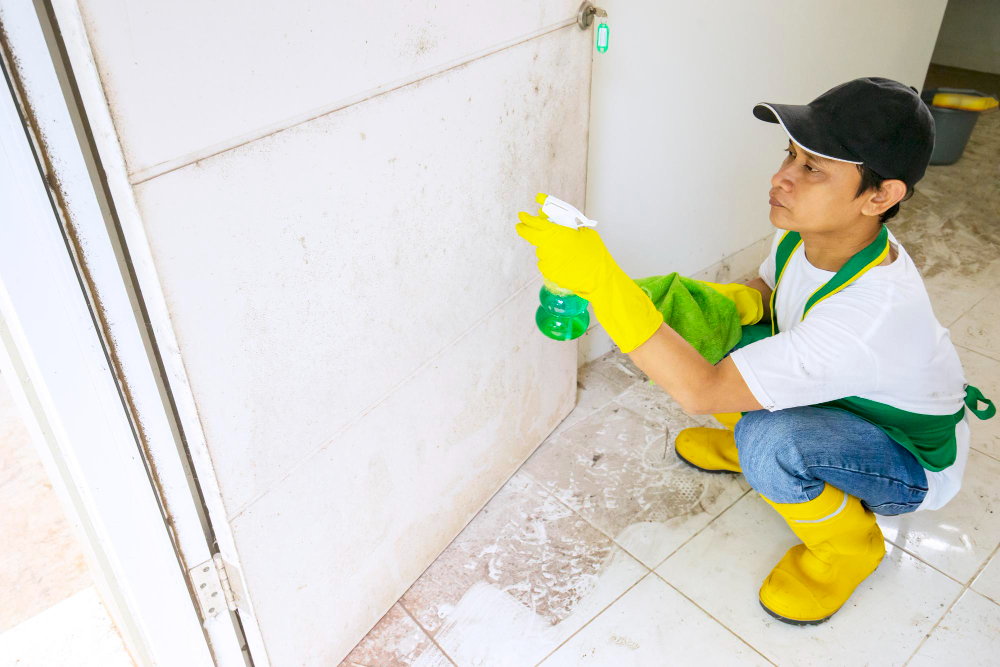
Many homeowners ask how to get rid of a mouldy smell when the mould isn’t clearly visible.
Why Mould Smells Linger
Mould releases spores that settle into:
- Carpets and rugs
- Curtains and upholstery
- Furniture
- Plaster and wood
Even after visible mould is removed, the smell may persist if spores remain.
What Actually Works
If you’re looking for how to get rid of mould smell, focus on:
- Treating affected areas with proper mould-cleaning solutions
- Washing fabrics at high temperatures
- Drying surfaces thoroughly
- Using dehumidifiers to prevent regrowth
Heavily contaminated items may need to be discarded. Persistent mould smells often require professional deep cleaning.
Natural Remedies vs Long-Term Damp Solutions
Temporary Remedies (Short-Term Relief)
- Baking soda or charcoal to absorb mild odours
- White vinegar for surface mould
- Regular window opening
These methods may help briefly, but won’t fix the underlying damp problems.
Long-Term Damp Control
- Improve ventilation and insulation
- Repair leaks and exterior damage
- Maintain consistent indoor temperatures
- Use professional moisture-focused cleaning
Long-term solutions prevent damp from returning.
Health Risks of Damp and Mould
Living with damp can contribute to:
- Respiratory problems
- Allergies and asthma flare-ups
- Headaches and fatigue
- Skin irritation
Children, elderly residents, and those with existing health conditions are particularly vulnerable. Removing damp supports a healthier indoor environment.
Why Damp Keeps Coming Back After Cleaning
Damp often returns when:
- Moisture levels are not fully reduced
- Ventilation is inadequate
- Structural or plumbing issues remain
Surface cleaning plays an important role, but deeper cleaning and moisture control are often needed for lasting results.
When Professional Cleaning Is the Best Option
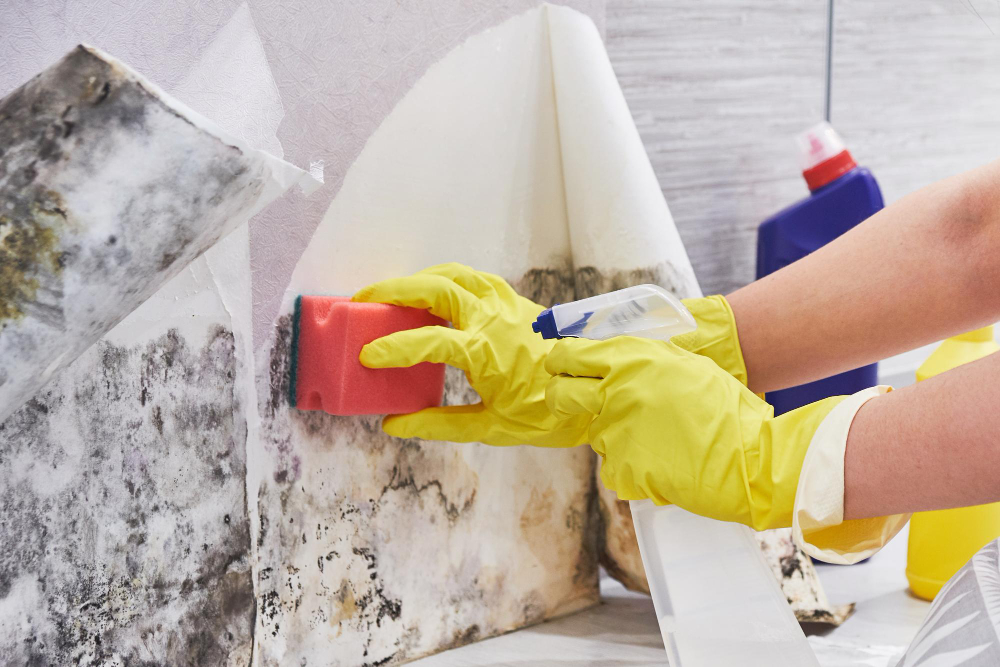
If damp smells, mould, or wall patches keep returning, professional cleaning can provide more reliable results.
Professional services help by:
- Identifying hidden moisture sources
- Using industrial-grade drying equipment
- Carrying out thorough, moisture-focused cleaning
- Reducing the risk of mould regrowth
This approach saves time and prevents repeated temporary fixes.
How to Prevent Damp in the Future
Once damp is removed, prevention is essential.
Best Prevention Practices
- Ventilate rooms daily
- Control indoor humidity
- Keep heating consistent
- Fix leaks promptly
- Schedule periodic deep cleaning
Prevention is far more cost-effective than repeated repairs.
Final Thoughts
Understanding how to get rid of damp means addressing moisture with the right cleaning approach. Whether you’re dealing with how to get rid of damp smell, how to get rid of dampness on walls, or wondering how to get rid of mouldy smell, long-term results come from proper cleaning, drying, and moisture control.
If damp smells, mould, or wall dampness are affecting your home, our professional cleaning team can provide thorough, moisture-focused cleaning to help restore a cleaner, healthier living environment.
Book your cleaning service today at Urbanshine Cleaners