





Natural cleaning methods are becoming increasingly popular, with vinegar often topping the list. Most people instinctively choose white vinegar for household cleaning, but what about malt vinegar? It’s affordable, easy to find, and acidic enough to tackle dirt.
The short answer: Yes, you can use malt vinegar for cleaning, but it may not be as effective or versatile as white vinegar.
But is it really suitable for everyday cleaning? This guide explains when malt vinegar for cleaning works well, when it should be avoided, and why professional cleaning services may sometimes be the smarter option.
What Makes Malt Vinegar Different?
Malt vinegar is made from malted barley, giving it a darker shade and stronger scent compared to the clear and neutral white vinegar. Malt vinegar’s acetic acid content and acidity are determined by its fermentation process, where acetic acid bacteria convert alcohol into acetic acid, resulting in vinegar’s characteristic properties. Both contain acetic acid, the component responsible for cleaning power. However, the colour and odour of malt vinegar can make it less practical for certain surfaces and fabrics. This is why many people ask: is malt vinegar the same as white vinegar? The answer is no — they differ in colour, strength of smell, and suitability for cleaning tasks.
Everyday Cleaning with Malt Vinegar

So, can you use malt vinegar for cleaning? The answer is yes, but with care. While it isn’t as versatile as white vinegar, malt vinegar can still be effective for certain tasks if used carefully:
-
Kitchen surfaces: Works well on grease and cooking spills (non-porous surfaces only). Malt vinegar can also be used to clean chopping boards and fridge shelves, helping to remove stains and odors naturally.
-
Bathroom taps and showers: Can help dissolve limescale and mineral deposits.
-
Appliances: A diluted mix of malt vinegar and water is commonly used for descaling kettles and coffee makers. Diluted vinegar helps remove mineral buildup and mineral deposits, restoring appliance efficiency.
-
Drains: Neutralises bad smells and helps reduce minor build-up. After using vinegar, pouring boiling water down the drain can help clear blockages more effectively.
-
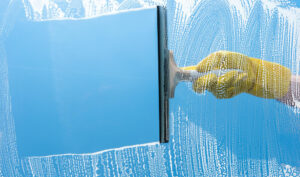
Windows and mirrors: Mixing equal parts vinegar and warm water in a spray bottle can help clean windows and mirrors, leaving a streak free shine. This mixture is easy to apply and effective for a streak-free finish.
For most cleaning purposes, mixing vinegar with water—either equal parts vinegar and water or half water—creates a safe, natural way to clean household items. Adding a few drops of essential oil to the mixture can improve the scent of your homemade cleaner.
Malt vinegar can also be used to soak or soak items like shower heads or metal tools to remove rust or stains; simply ensure the items are soaked for a period before rinsing with hot water.
As a low cost, eco-friendly cleaner, malt vinegar helps you avoid harsh chemicals and supports a healthier living environment as part of your cleaning routine.
While malt vinegar is a potent cleaning agent, other vinegars like spirit vinegar, apple cider vinegar, and cleaning vinegar have different properties and uses. Balsamic vinegar, on the other hand, is best reserved for salad dressings and culinary applications.
Where Malt Vinegar Falls Short
There are a few caveats to using malt vinegar for cleaning. Here are the main drawbacks:
-
Risk of staining: Its dark colour may leave marks on fabrics, upholstery, and light-coloured flooring.
-
Lingering smell: The odour is far stronger than white vinegar and can take time to fade.
-
Not suitable for delicate materials: Avoid using it on natural stone such as granite and marble, or on wooden surfaces that could lose their finish.
When Not to Use Malt Vinegar for Cleaning
There are certain places where malt vinegar for cleaning is not recommended. Electronics can be permanently damaged if exposed to acidic liquids. Similarly, polished wood, sealed grout, and stone surfaces like marble or limestone can lose their finish or become etched over time. Malt vinegar should also not be used on aluminium pans, as the acid can corrode and damage the metal. Light fabrics and carpets are also poor choices, as the dark colour of malt vinegar may leave stains. If in doubt, always test a small hidden area first or choose a safer cleaning alternative.
Is Distilled Malt Vinegar the Same as White Vinegar?

A common question is: is distilled malt vinegar the same as white vinegar? The answer is no. Distilled malt vinegar is lighter in colour than standard malt vinegar, making it less likely to stain, but it is still made from malted barley and has a stronger smell than white vinegar. White vinegar, also known as spirit vinegar, is clear, has a mild scent, and is preferred for all-purpose cleaning due to its neutral properties.
Is White Malt Vinegar the Same as Distilled Vinegar?
Another frequent search is: is white malt vinegar the same as distilled vinegar? White malt vinegar is produced from malted barley and then refined, whereas distilled white vinegar is made from diluted grain alcohol. These vinegars are not the same, and among the various vinegars available, distilled white vinegar is generally the superior choice for cleaning.
Distilled Malt Vinegar for Cleaning
If you only have distilled malt vinegar in your home, it can still be used as a cleaning product. Cleaning distilled malt vinegar is effective for a variety of cleaning applications, such as descaling appliances, deodorizing, and cleaning surfaces. Distilled malt vinegar for cleaning is suitable for windows, tiles, and even descaling appliances. However, it’s not quite as versatile as white vinegar because of its stronger odour.
Brown Vinegar for Cleaning
When people ask about brown vinegar for cleaning, they usually mean standard malt vinegar. So, can you use brown vinegar for cleaning? Yes, but it has limitations. It works for odour removal in drains and bins or for tackling grease, but its dark colour can stain and may leave items stained if not used carefully, and its smell may linger. For versatility and safety, white vinegar is always the preferred choice.
Practical Tips for Safe Use

If you decide to use malt vinegar at home, follow these tips for better results:
- Dilute before use: Mix with water to reduce smell and staining risk.
- Patch test first: Especially on fabrics and delicate surfaces.
- Add essential oils: Lemon or eucalyptus can help mask the odour.
- Avoid porous materials: Do not use on marble, granite, or untreated wood.
- Label homemade cleaners: Always store safely and clearly marked.
Comparison: Malt Vinegar vs Distilled Malt vs White Vinegar
|
Vinegar Type |
Colour & Smell |
Best For |
When to Avoid |
|
Malt Vinegar |
Dark, strong odour |
Drains, bins, tough grease |
Fabrics, light surfaces, wood, stone |
|
Distilled Malt |
Light, noticeable smell |
Windows, tiles, descaling |
Still not ideal for fabrics & stone |
|
White Vinegar |
Clear, mild odour |
All-purpose cleaning, glass |
Few limitations – most surfaces safe |
Everyday Scenarios: Does Malt Vinegar Work?
- Spilled coffee on a counter: Works on non-porous surfaces, but avoid using it on light wood.
- Smelly kitchen bin: Great for deodorising when wiped inside or poured down the drain.
- Shower screen soap scum: Helps cut through build-up, but the smell may linger.
- Light fabric stains: Best avoided, as the colour can make the problem worse.
Pros and Cons of Malt Vinegar Cleaning
Advantages:
- Budget-friendly and widely available.
- Effective for grease, odours, and light descaling.
- Eco-friendly compared to chemical cleaners.
Disadvantages:
- Strong smell that lingers.
- Dark colour may stain.
- Less versatile than white vinegar.
When DIY Isn’t Enough
While malt vinegar can help with small cleaning jobs, it isn’t a replacement for a deep or professional clean. End of tenancy cleaning, post-renovation clean-ups, or maintaining a hygienic workspace all require specialist expertise and equipment. That’s where Urbanshine Cleaners comes in — offering everything from end of tenancy cleaning to office cleaning, so you don’t have to rely on trial-and-error cleaning methods.
FAQs
1. Can malt vinegar clean glass and mirrors?
Yes, but it’s best diluted and may leave behind a stronger smell than white vinegar. Using a diluted solution can help achieve a streak free shine on glass and mirrors.
2. Is distilled malt vinegar the same as white vinegar?
No. While lighter than brown malt vinegar, it still isn’t as clear or odour-free as white vinegar.
3. Is white malt vinegar the same as distilled?
No. White malt vinegar is refined from malted barley, while distilled vinegar comes from grain alcohol. They are not the same.
4. Will brown vinegar stain fabrics?
Yes, it can stain lighter fabrics. Use white vinegar or seek professional help.
5. Can malt vinegar freshen drains?
Yes, it’s effective for neutralising odours in kitchen and bathroom drains.
6. Is vinegar enough to disinfect surfaces?
Yes, it’s effective for neutralising odours in kitchen and bathroom drains. After using malt vinegar, pouring boiling water down the drain can help clear blockages and further eliminate unpleasant odours.
7. Can malt vinegar remove mould?
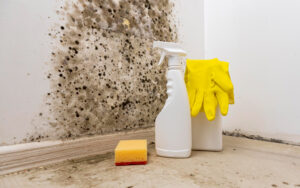
It may help with light mould patches, but it isn’t strong enough for serious infestations.
8. Can I mix malt vinegar with baking soda?
Yes, mixing vinegar with baking soda creates a fizzing reaction that helps clear drains, but use it carefully to avoid a mess.
9. Is malt vinegar safe around pets?
It’s non-toxic, but the strong smell may be unpleasant for animals. Always ventilate the area well.
Conclusion
Malt vinegar does have cleaning power, but it comes with limits. It can cut through grease and odours, yet its dark colour and strong scent make it less versatile than white vinegar. So, can you use malt vinegar for cleaning? Yes, but it isn’t the same as white vinegar and won’t work in every situation. For everyday messes, white vinegar remains the safer choice. And for those times when you’d rather not experiment, Urbanshine Cleaners offers reliable, eco-friendly cleaning services across homes and businesses.
Want a spotless, fresh space without the trial and error of vinegar cleaning? Contact us today and let Urbanshine Cleaners handle the mess with care and expertise.