


Limescale is a common problem in many households, especially in areas with hard water. It appears as a white or sometimes reddish-brown build-up on surfaces that are regularly exposed to water, such as toilets, pipes, and kettles. This build-up is a chalky substance, primarily composed of calcium carbonate, that forms when hard water evaporates and leaves mineral deposits behind. Over time, limescale can become more noticeable and harder to remove. However, limescale is not harmful to health; it does not contain dangerous chemicals and is mainly an aesthetic and maintenance issue.
If you are searching for how to clean limescale from toilet bowls without damage, this guide will take you through proven methods, from eco-friendly solutions like vinegar to heavy-duty limescale removers. You’ll also learn how to prevent the problem from returning and keep your toilet sparkling fresh.
What is Limescale and Why Does it Appear in Toilets?
Limescale is a hard, chalk-like deposit made of calcium carbonate. It forms when water with high mineral content—commonly known as hard water—evaporates, leaving behind solid mineral deposits. These mineral deposits often result in hard water stains that are commonly seen in toilets and other bathroom fixtures. Over time, these build up in toilets, particularly around the waterline, under the rim, or in less-flushed toilets.
Why it’s Worse in Hard Water Areas
- London and much of the UK have hard water supplies, meaning limescale forms more quickly.
- Frequent flushing does not always prevent deposits because the water itself contains calcium and magnesium minerals.
- Toilets with slow water flow or older designs accumulate more limescale.
Causes of Limescale in Toilets
Limescale deposits in the toilet bowl are a common nuisance, especially for those living in hard water areas. The main culprit behind these unsightly deposits is the high concentration of minerals—primarily calcium and magnesium—found in hard water. When water evaporates from the toilet bowl, it leaves behind these minerals, which gradually accumulate and form stubborn limescale, or calcium carbonate.
The toilet bowl creates the perfect environment for limescale formation. Still water sits in the bowl for long periods, allowing mineral deposits to settle and harden over time. This process is even more pronounced in hard water areas, where the mineral content is higher, making limescale build-up a frequent problem in toilets, pipes, and even household appliances like kettles.
To keep your toilet clean and prevent limescale, regular cleaning is essential. Using a toilet brush and natural products such as undiluted white vinegar or citric acid can help dissolve alkaline calcium carbonate before it becomes thick limescale. Simply pour white vinegar into the bowl, let it sit for a few hours, and then scrub with a brush to remove any stubborn limescale deposits. These natural methods are not only effective ways to remove limescale, but they also avoid the need for harsh chemicals, making them safer for your household and the environment.
For those looking for the most effective ways to prevent limescale formation, installing a water softener can make a significant difference. By reducing the mineral content in your water supply, a water softener helps prevent limescale from forming in toilets, pipes, and other household surfaces.
Understanding the causes of limescale in toilets and taking proactive steps—like regular cleaning with natural products and considering a water softener—can help you get rid of unsightly deposits, keep your toilet hygienic, and save money on cleaning products and repairs in the long run.
How Limescale Affects Your Toilet
Limescale is more than just a cosmetic problem:
- Unsightly stains – Yellow, brown, or grey streaks ruin the look of your toilet.
- Odours – Deposits trap bacteria and organic matter.
- Reduced flushing performance – Build-up narrows water passages.
- Shorter lifespan – Over time, limescale weakens the porcelain glaze.
How to Clean Limescale from Toilet: Step-by-Step
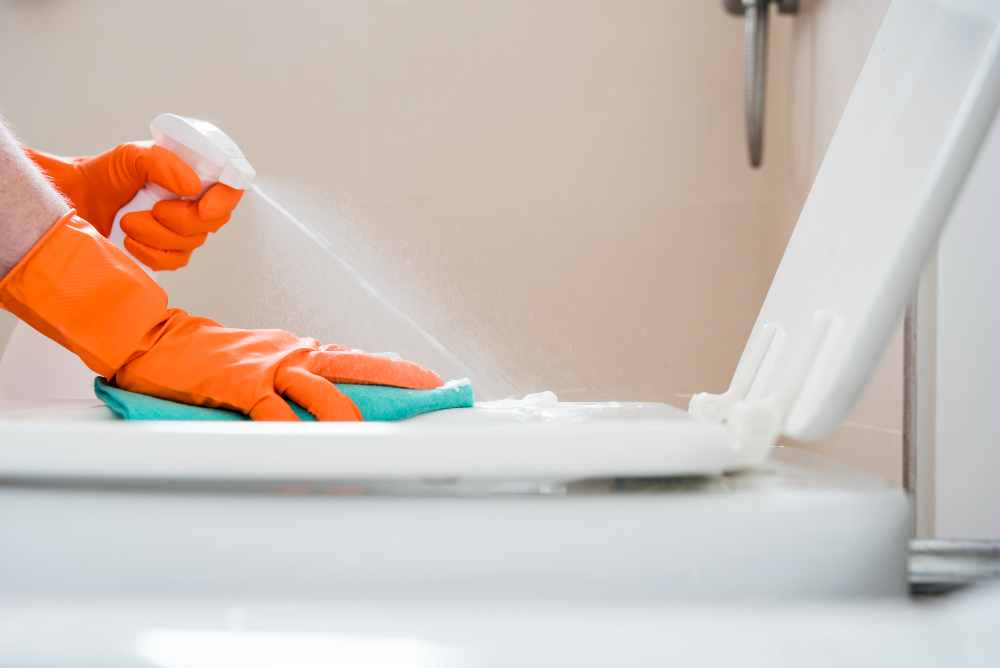
Here’s a safe and effective method for removing limescale and descaling your toilet at home. For stubborn build-up, you may need to clean the toilet multiple times to achieve the best results.
1. Empty the Toilet Bowl
- Turn off the water supply.
- Flush to lower the water level and expose stains.
- For stubborn build-up, push out remaining water with a sponge.
2. Apply a Toilet Limescale Remover
Choose between natural solutions (such as pouring a cup of vinegar or using lemon juice) or commercial toilet limescale removers. For citric acid, add two tablespoons directly to the toilet bowl for effective descaling. Apply generously to affected areas.
3. Allow Time to Work
Let the cleaner sit for at least 30 minutes. For heavy limescale, leave it overnight.
4. Scrub the Bowl
- Use a stiff toilet brush for light deposits, and be prepared to put in some elbow grease when scrubbing away stubborn limescale.
- For hardened stains, use a pumice stone or a non-scratch scrub pad.
- Focus under the rim and along the waterline.
5. Flush and Rinse
Turn the water supply back on, flush, and inspect the results. Repeat the process for particularly stubborn build-up.
Natural Methods to Remove Toilet Limescale
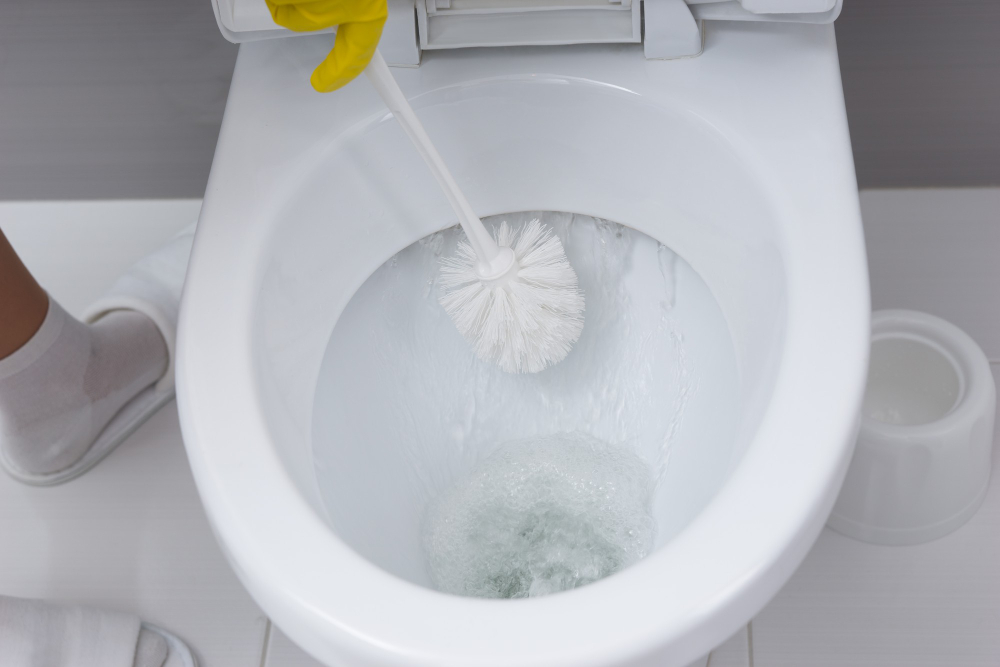
If you prefer eco-friendly cleaning, these natural remedies are highly effective:
- White Vinegar – Pour two cups into the toilet bowl, leave overnight, then scrub.
- Baking Soda and Vinegar Mix – Sprinkle soda, then add vinegar to create a fizzing reaction that loosens deposits. Afterward, carefully pour boiling water down the drain to help dislodge debris and eliminate any remaining buildup.
- Hot Water – Pour hot water (not boiling) into the toilet bowl to help dissolve limescale deposits. Make sure the water is hot but not boiling to avoid damaging the porcelain.
- Lemon Juice – Works well for light stains and adds a fresh scent.
- Coca-Cola – Surprisingly effective due to phosphoric acid; pour, leave for an hour, then scrub.
For comparison, other methods such as using abrasive tools like pumice stones or commercial descalers can also be effective for stubborn limescale.
Chemical Toilet Limescale Removers
For very tough stains, natural solutions may not be enough. Chemical cleaners provide fast results but require careful handling.
Popular Ingredients in Removers
- Hydrochloric Acid – Extremely powerful, dissolves heavy limescale.
- Phosphoric Acid – Effective but less harsh than hydrochloric acid.
- Bleach – Disinfects but does not actually dissolve limescale.
Always wear gloves, ventilate the bathroom, and never mix bleach with acidic products (such as vinegar), as this produces toxic fumes.
Natural vs Chemical Methods: Which is Better?
| Natural Methods | Chemical Removers |
| Eco-friendly and safe for septic tanks | Fast and powerful |
| Cheap and readily available | Risk of damaging porcelain if misused |
| Require longer soaking and scrubbing | Effective against heavy build-up |
| Ideal for regular maintenance | Best for stubborn or neglected stains |
How to Clean Limescale Under the Toilet Rim
Limescale often hides under the rim, where it is harder to reach. To clean it:
- Spray vinegar or a remover under the rim.
- Use a curved toilet brush or an old toothbrush to scrub.
- For thick deposits, apply a gel-based limescale remover that clings to surfaces.
Daily Maintenance vs Deep Cleaning
- Daily Maintenance: Quick brush after use, weekly rinse with vinegar.
- Deep Cleaning: Monthly application of limescale remover or vinegar soak for 2–3 hours.
- Professional Cleaning: Once or twice a year for homes in hard water areas.
Safety Tips When Using Limescale Removers
- Wear rubber gloves to protect your skin.
- Keep the bathroom ventilated.
- Avoid mixing products (especially bleach and acids).
- Use only non-abrasive scrubbers to avoid scratching porcelain.
- Store chemical cleaners safely out of children’s reach.
How to Prevent Limescale in Toilets
Prevention saves effort in the long run.
- Flush regularly – Don’t let standing water settle.
- Weekly Vinegar Rinse – Keeps mineral deposits soft.
- Install a Water Softener – Reduces limescale across the whole home.
- Wipe Under the Rim – Stop early build-up before it hardens.
- Use Toilet Blocks Carefully – Some help with freshening, but don’t always prevent limescale.
FAQs: How to Clean Limescale from Toilets
Q1. How do I remove heavy limescale from a toilet bowl?
Empty the bowl, apply a strong toilet limescale remover, let it sit overnight, then scrub thoroughly.
Q2. Does bleach remove limescale?
No. Bleach disinfects and whitens but does not dissolve mineral deposits. Use vinegar or acid-based removers.
Q3. What is the best natural limescale remover for toilets?
White vinegar is the most effective and affordable natural option.
Q4. How do I clean limescale without scrubbing?
Apply vinegar or a commercial remover overnight. The deposits will soften, making brushing minimal.
Q5. Can I use a pumice stone to clean the toilet bowl?
Yes, gently. It’s effective, but avoid scratching the porcelain surface.
Q6. How do I stop limescale returning?
Flush regularly, clean weekly with vinegar, and consider a water softener if you live in a hard water area.
Q7. Is Coca-Cola really effective for toilet cleaning?
Yes, the phosphoric acid helps break down mild limescale stains, though it’s less powerful than vinegar or removers.
Q8. Can vinegar damage the toilet?
No, vinegar is safe for porcelain and very effective against limescale.
Q9. How long should I leave vinegar in the toilet bowl?
For light stains, 30 minutes is enough. For heavy limescale, leave overnight.
Q10. What is the quickest way to get rid of limescale?
A hydrochloric acid-based commercial remover gives the fastest results, but handle with care.
Conclusion
Limescale is a common issue, especially in hard water areas, but with the right cleaning approach it can be managed easily. Whether you prefer natural solutions like vinegar and baking soda or need a strong toilet limescale remover for heavy deposits, consistency is the key to a sparkling, hygienic toilet.
For busy households or stubborn stains that refuse to go, professional help is the easiest solution. At Urbanshine Cleaners, we provide expert toilet cleaning services in London, using safe, effective methods to restore freshness and hygiene to your bathroom.