




Window screens are one of the most overlooked parts of home maintenance. While we regularly clean windows, floors, and furniture, screens often go unnoticed until they become visibly dusty or block airflow. Over time, window screens collect dirt, pollen, pollution, grease, and even mould spores. This buildup not only affects how your windows look but also impacts ventilation and indoor air quality.
Learning how to clean window screens the right way can dramatically improve the freshness of your home, extend the life of your screens, and make your windows look noticeably clearer. This guide walks you through proven methods covering both removable and fixed screens, along with expert tips for safe and effective cleaning.
Why Cleaning Window Screens Is Important
Window screens act as a barrier between the outdoors and your living space. As air flows through them, screens trap airborne particles that would otherwise enter your home. Over time, this causes several issues:
- Reduced airflow, making rooms feel stuffy
- Accumulation of allergens such as pollen and dust
- A dull or cloudy appearance even after washing windows
- Faster wear and tear of the screen mesh
Clean screens support better ventilation, help maintain a healthier indoor environment, and improve the overall appearance of your windows.
How Often Should Window Screens Be Cleaned?
There is no one-size-fits-all schedule, but general guidelines include:
- Every 2–3 months for homes in urban or high-pollution areas
- At least twice a year for suburban or rural homes
- More frequently during pollen season, nearby construction, or renovations
Light, regular maintenance prevents heavy buildup and reduces the need for aggressive scrubbing.
What You’ll Need Before You Start
Most screen-cleaning supplies are already in your home:
- Vacuum cleaner with a brush attachment
- Soft-bristle brush or old toothbrush
- Microfibre cloths
- Mild dishwashing liquid
- Bucket of warm water
- Sponge
- Old towels or drop cloth
Avoid abrasive pads, bleach, ammonia, or strong degreasers, as these can weaken or tear screen mesh.
How to Clean Window Screens (Best Method When Screens Can Be Removed)
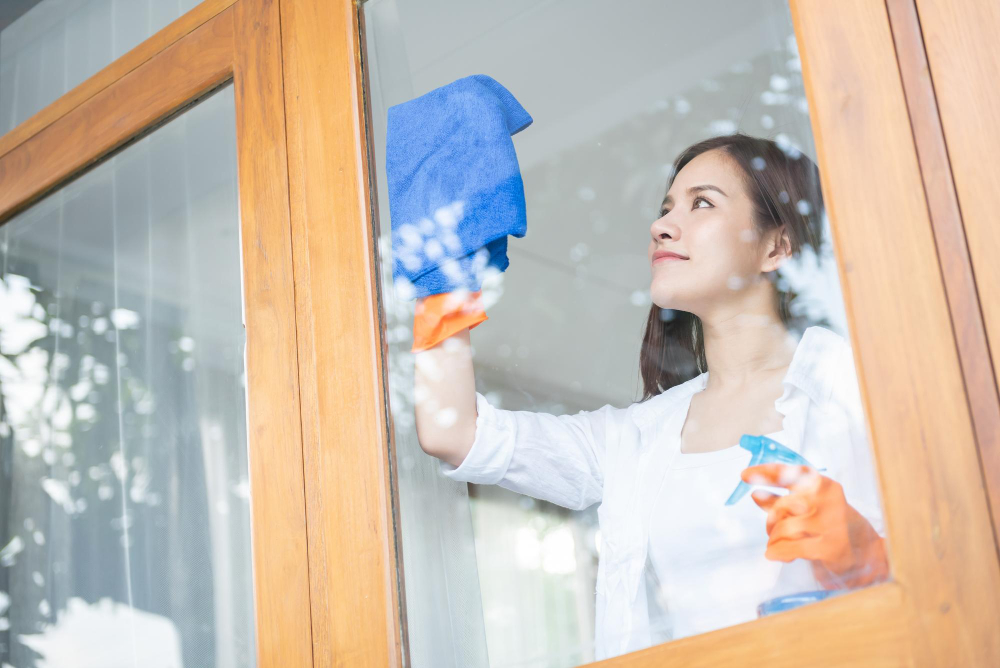
This is the most thorough way to clean screens and is ideal for ground-floor windows or easily removable screens.
Step 1: Remove the Screens Carefully
Gently remove the screens from the window frame. Place them flat on a clean surface such as a patio, driveway, or bathroom floor. Lay towels underneath to prevent scratching and absorb excess water.
Step 2: Remove Loose Dirt First
Before using water, vacuum both sides of the screen using a soft brush attachment. This step is crucial because it prevents dust from turning into sticky residue once wet.
Step 3: Prepare a Gentle Cleaning Solution
Fill a bucket with warm water and add a few drops of mild dish soap. The solution should be lightly soapy, not overly sudsy.
Step 4: Wash the Screen Gently
Dip a sponge or microfibre cloth into the solution and gently scrub the screen using circular motions. Work slowly and avoid pressing too hard, especially on older or thinner mesh.
Step 5: Rinse Thoroughly
Rinse the screen with clean water to remove soap and loosened dirt. If using a hose, keep the water pressure low to avoid stretching or damaging the mesh.
Step 6: Dry Completely
Pat the screen dry with a towel, then allow it to air-dry fully before reinstalling. Reinstalling damp screens can lead to mould growth or water marks.
How to Clean Window Screens Without Removing Them
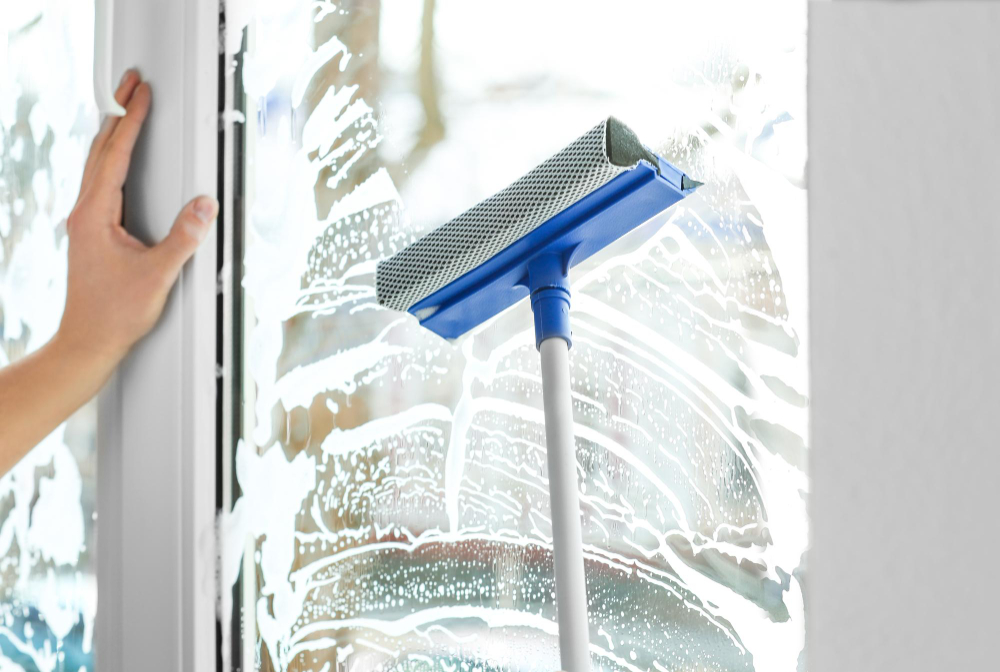
Some screens are difficult or unsafe to remove, especially on higher floors. In such cases, cleaning them in place is a practical alternative.
- Place towels or a drop cloth beneath the window to catch drips.
- Vacuum the screen gently using a brush attachment to remove dust.
- Dampen a microfibre cloth with warm, soapy water and wipe the screen from top to bottom.
- Use a clean, damp cloth to remove soap residue.
- Allow the screen to air-dry naturally.
This method works well for routine maintenance and helps keep screens fresh between deep cleans.
How to Clean Screens for Windows with Heavy Dirt or Grease
Screens exposed to traffic pollution, cooking fumes, or outdoor grills may develop stubborn grime. For deeper cleaning:
- Add a small amount of white vinegar to your soap solution to help break down grease
- Use a soft toothbrush to clean corners, edges, and frames
- Clean gently and repeat the process if needed, rather than scrubbing harder
Patience is key. Aggressive scrubbing can distort the mesh or loosen it from the frame.
Cleaning Windows and Screens Together the Right Way
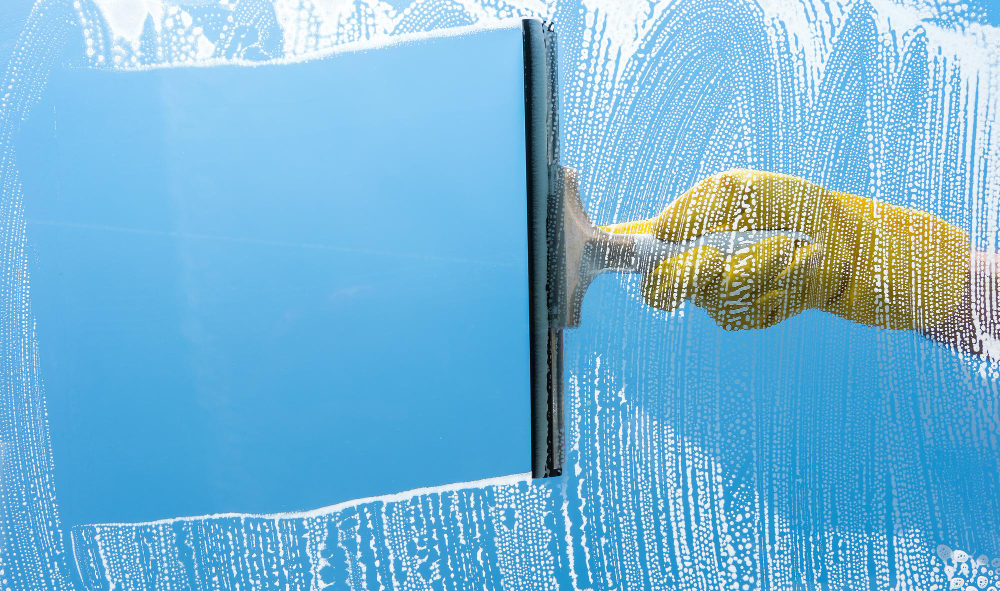
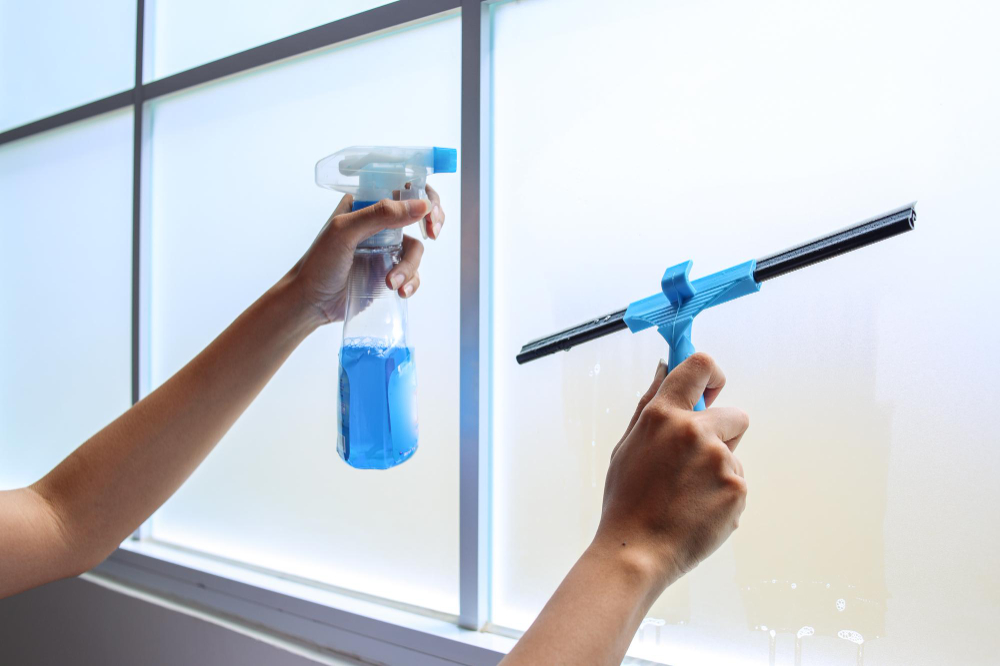
If you plan to clean both screens and window glass, always start with the screens. Dirty screens can transfer dust back onto freshly cleaned windows, making the glass appear streaky or hazy.
Once the screens are fully dry and reinstalled, clean the window panes using your preferred glass cleaner. This sequence ensures better results and saves time.
Common Mistakes to Avoid When Cleaning Window Screens
Even simple tasks can cause damage if done incorrectly. Avoid these common mistakes:
- Using bleach, ammonia, or harsh chemical cleaners
- Scrubbing with wire brushes or abrasive pads
- Spraying screens with high-pressure water
- Reinstalling screens while they’re still damp
Gentle methods are always more effective and safer for long-term maintenance.
Simple Tips to Keep Screens Cleaner for Longer
- Vacuum screens lightly during routine house cleaning
- Wipe down screen frames and window tracks
- Keep nearby plants trimmed to reduce pollen buildup
- Inspect screens regularly for small tears or loose edges
Small habits can significantly extend the time between deep cleaning sessions.
When Professional Help Makes Sense
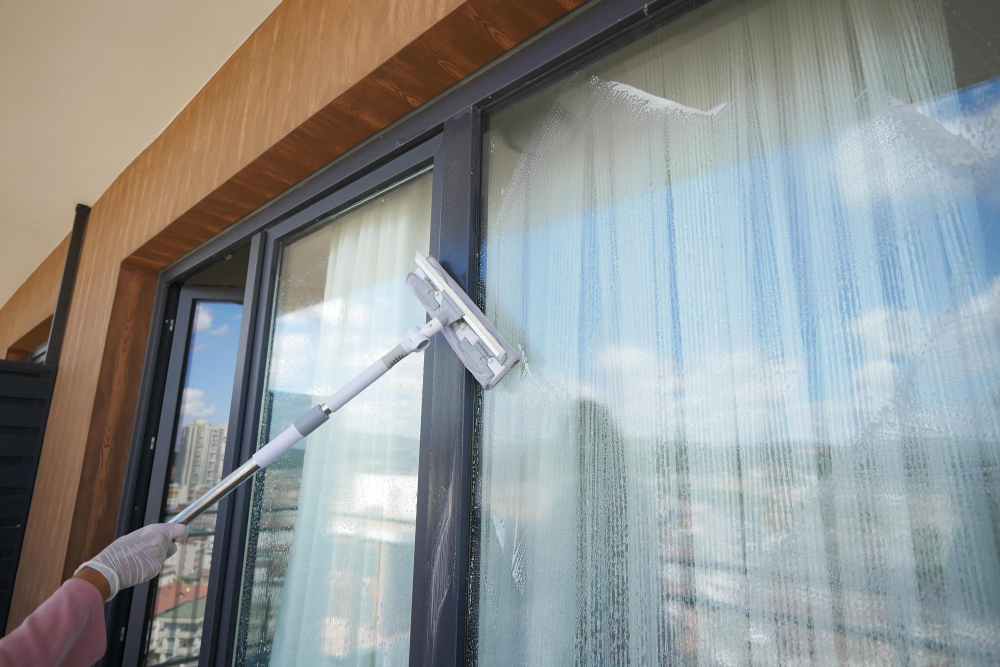
While DIY cleaning works well for routine maintenance, professional services can be helpful when:
- Screens are heavily soiled or stained
- You have multiple windows or hard-to-reach areas
- Time or physical limitations make DIY cleaning difficult
- You want windows and screens cleaned together for a uniform finish
Professional cleaners use proper tools and techniques to achieve consistent, damage-free results.
Final Thoughts
Window screens may not be the most noticeable feature in your home, but their condition directly affects airflow, cleanliness, and overall comfort. With regular care and the right approach, keeping them clean becomes an easy part of home maintenance rather than a time-consuming chore.
If you’d prefer to leave the hard work to professionals, Urbanshine Cleaners is here to help. Our experienced team provides thorough, safe window and screen cleaning services that enhance airflow, improve appearance, and save you valuable time.
Contact Urbanshine Cleaners today for a cleaner, brighter, and healthier home without the hassle.
Frequently Asked Questions (FAQs)
How often should window screens be cleaned?
Window screens should ideally be cleaned every 2–3 months, especially in urban or high-dust areas. If your home is surrounded by trees, construction, or heavy traffic, more frequent cleaning helps prevent buildup and improves airflow.
Can I clean window screens with just water?
Water alone can remove loose dust, but it won’t break down grease, pollen, or sticky residue. Using warm water with a small amount of mild dish soap provides far better results without damaging the screen mesh
Is it safe to use a pressure washer on window screens?
No. Pressure washers can stretch, bend, or tear screen mesh and loosen it from the frame. Always use low-pressure water or gentle hand-cleaning methods to avoid permanent damage.
What’s the best way to dry window screens after cleaning?
Pat screens gently with a towel and allows them to air-dry completely before reinstalling. Avoid direct heat sources, as excessive heat can warp the frame or weaken the mesh.
Can vinegar be used to clean window screens?
Yes, white vinegar can be added in small amounts to a mild soap solution to help cut through grease and stubborn grime. It should never be used undiluted or mixed with harsh chemicals.
Should screens be cleaned before or after windows?
Screens should always be cleaned first. Dirty screens can transfer dust and residue back onto freshly cleaned windows, making the glass appear cloudy or streaky.
Are professional screen cleaning services worth it?
Professional cleaning is worth considering if screens are heavily soiled, hard to reach, or if you want both windows and screens cleaned thoroughly in one service. It saves time and ensures consistent, damage-free results.